
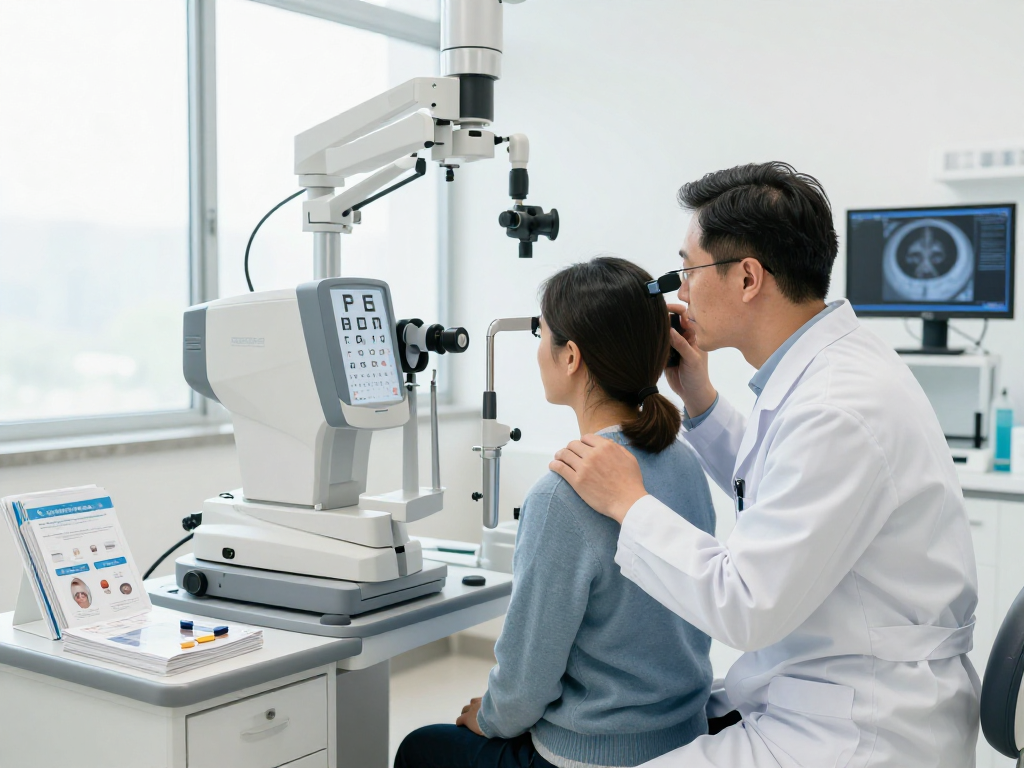
Understanding Cataract Surgery: An Overview
Cataract surgery is a common and safe procedure aimed at restoring vision affected by cataracts, which are cloudy formations that develop on the eye's lens. As cataracts progress, they can significantly impact daily activities such as reading, driving, and recognizing faces. This article will delve into the essential aspects of cataract surgery, including what the procedure entails, indications for surgery, and types of surgeries available, particularly for those seeking a cataract surgeon in UAE.
What is Cataract Surgery?
Cataract surgery is a medical procedure designed to remove the cloudy lens from the eye and replace it with a clear artificial lens called an intraocular lens (IOL). The surgery is typically performed on an outpatient basis, meaning patients can go home on the same day. There are two main methods used in cataract surgery: phacoemulsification and extracapsular cataract extraction. Phacoemulsification involves using ultrasound waves to break up the cataract into small pieces, which are then gently suctioned out. The extracapsular technique is employed for more advanced cataracts, wherein a larger incision is made to remove the lens in one piece, allowing for the placement of an IOL thereafter.
Indications and Benefits of Surgery
Patients are usually recommended for cataract surgery when their vision is impaired to the point where it affects their quality of life. Signs that it may be time to consider surgery include blurred or distorted vision, difficulty seeing at night, and increased sensitivity to glare. The benefits of cataract surgery are substantial; most patients experience a significant improvement in vision, which can enhance their overall lifestyle. Additionally, the procedure is generally safe, with a high success rate, often leading to quick recovery times and minimal discomfort.
Types of Cataract Surgeries Available
While the standard procedures for cataract surgery have been discussed, there are also various types of intraocular lenses available that can cater to different patient needs. Monofocal lenses provide clear vision at one distance, usually for distance vision, while multifocal and accommodating lenses allow for improved vision at multiple distances, potentially reducing the reliance on glasses post-surgery. Patients should discuss the options with their eye care provider to find the most suitable lens for their individual lifestyle and vision requirements.
Choosing the Right Cataract Surgeon in the UAE
Selecting a skilled cataract surgeon is crucial for ensuring a successful outcome. The UAE is home to many qualified ophthalmologists who specialize in cataract surgery, offering patients ample choices. However, it is essential to consider specific factors when evaluating potential surgeons and clinics.
Key Qualities of an Expert Cataract Surgeon
When searching for a cataract surgeon, look for qualifications such as board certification in ophthalmology, extensive training in advanced surgical techniques, and a solid track record of successful procedures. Additionally, a surgeon who emphasizes patient education and communication can significantly enhance your preoperative and postoperative experience.
How to Evaluate Surgeons and Clinics
To ensure you choose the right surgeon, consider consulting multiple clinics and reading reviews from former patients. Many patients report their experiences online, providing insight into a surgeon’s skill and the overall patient care quality of the clinic. It is also advisable to inquire about the surgeon's experience with specific lens types if you have preferences regarding your intraocular lens options.
Patient Reviews and Success Stories
Success stories can be a powerful motivator when evaluating potential surgeons. Look for testimonials that discuss not only the technical proficiency of the surgeon but also aspects of their bedside manner and post-surgical follow-up. A surgeon who takes the time to ensure their patients feel comfortable and well-informed can make a significant difference in the surgical journey.
Preparing for Your Cataract Surgery
Effective preparation for cataract surgery can alleviate anxiety and improve the overall experience. Understanding what to expect before, during, and after the procedure can empower patients to take an active role in their eye health.
Preoperative Assessments and Consultations
Before surgery, patients will undergo a comprehensive eye examination and various assessments to determine the best surgical approach and lens options. This process may include measuring the eye's shape and size, assessing other eye conditions, and discussing any medications or health concerns that could affect the surgery.
What to Expect During the Procedure
Cataract surgery typically lasts less than an hour, and patients are often given local anesthesia and sedatives to ensure comfort. During the procedure, patients may be awake but will not feel pain or have any recollection of the surgery. It is common to see bright lights and vague movements, but overall, the experience is usually quick and efficient.
Postoperative Care and Recovery Tips
After surgery, it is crucial to follow the surgeon's postoperative care instructions, which may include using prescribed eye drops, avoiding strenuous activities, and wearing an eye shield at night. Many patients notice an improvement in their vision within days; however, full recovery may take several weeks. Regular follow-up appointments will help ensure optimal healing and adjust any necessary treatment.
Navigating Insurance and Payment Options
Understanding the financial aspects of cataract surgery can aid in alleviating stress as patients prepare for their procedure. In the UAE, various insurance providers cover cataract surgery, yet it is essential to verify with your provider beforehand regarding coverage specifics.
Understanding Costs Involved in Cataract Surgery
The cost of cataract surgery can vary widely based on several factors, including the surgeon's experience, the type of intraocular lens selected, and the clinic's location. It is wise to request a detailed breakdown of the costs involved, including preoperative assessments, the surgery itself, and postoperative care.
Insurance Coverage for Cataract Procedures
Many insurance plans in the UAE cover cataract surgery, but this depends on the specific policy and provider. Patients are encouraged to consult with their insurance representatives to understand the extent of coverage, potential out-of-pocket expenses, and necessary documentation.
Financing Options for Patients in UAE
For those without insurance coverage or facing high costs, financing options may be available. Some clinics offer payment plans that enable patients to spread the cost of surgery over time, making it more manageable. Researching available options beforehand can reduce the financial burden associated with cataract surgery.
The Future of Cataract Surgery: Trends and Innovations
The field of cataract surgery is continually evolving, with new technologies and techniques emerging to enhance patient outcomes and experiences. Staying informed about these developments is essential for patients considering surgery.
Technological Advancements in Eye Care
Recent innovations in cataract surgery include femtosecond laser-assisted surgery, which uses laser technology to perform certain steps of the surgery with increased precision and safety. Additionally, advancements in IOL technology, such as toric lenses for patients with astigmatism and extended depth-of-focus lenses, offer greater customization for individual vision needs.
Predicting Outcomes and Enhancements in Techniques
Enhanced imaging technology and advanced biometrics now allow surgeons to predict surgical outcomes more accurately than ever before. This ability to tailor the surgical approach to the patient's unique anatomical structure contributes to higher success rates and patient satisfaction.
Expert Insights on the Future Landscape of Cataract Surgery
Leading experts in ophthalmology suggest that the future of cataract surgery will focus on personalized patient care, integrating artificial intelligence and machine learning to refine surgical techniques and outcomes further. As technology continues to advance, patients can expect even safer, faster, and more effective cataract surgeries.