
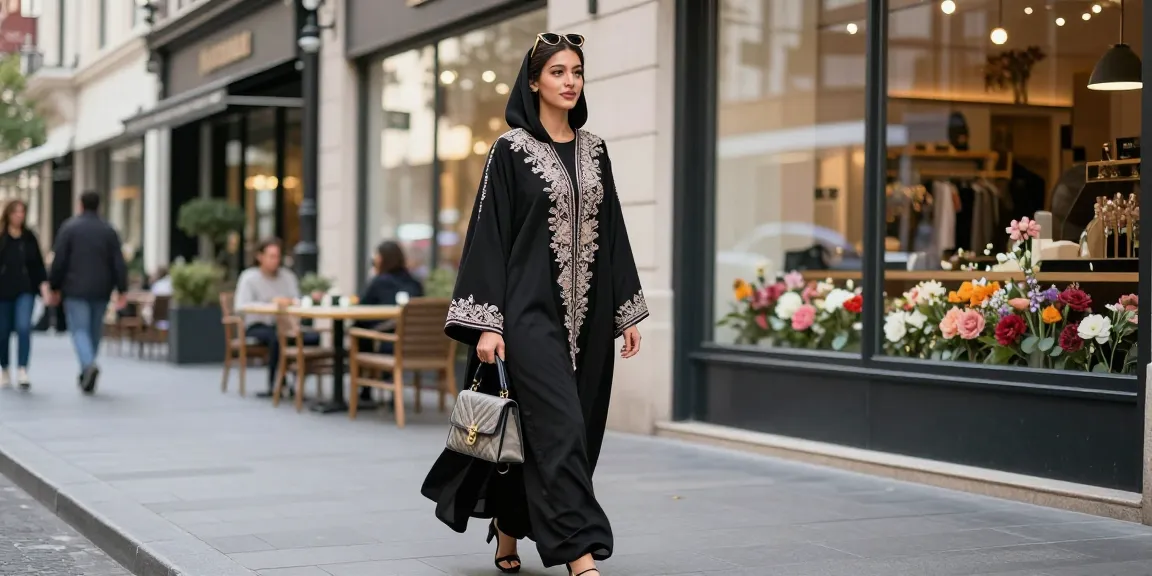
The Evolution of the Abaya: Fashion Through the Ages
The abaya, a traditional garment worn by women across the Arab world, is much more than a simple piece of clothing; it is a symbol of cultural identity and fashion evolution. Over the years, this elegant outer garment has undergone significant transformations while maintaining its core purpose of modesty. As we approach 2026, understanding the evolution of the abaya not only highlights its historical importance but also sheds light on modern trends that shape its design today. When exploring options, Abaya offers a wide range of choices that reflect these changing dynamics.
Historical Significance of the Abaya
The origins of the abaya can be traced back centuries, deeply rooted in Arab culture and religion. Traditionally, it served as a protective garment intended to shield women from the elements and maintain modesty. Its design was influenced heavily by social norms and government regulations. In many cultures, the abaya became a symbol of sophistication and class, often adorned with intricate embroidery and embellishments.
Throughout history, the abaya has mirrored the societal changes within the region, adapting to shifts in political landscapes and women’s rights movements. The 20th century marked a significant turning point, as more women began to enter the workforce, prompting the abaya’s evolution into more versatile and stylish forms. The modern woman seeks not only modesty but also a means of personal expression through her attire.
Modern Adaptations in Design
Today, the abaya is no longer just a traditional cloak. Designers are experimenting with cut, style, and fabric, leading to a variety of options that cater to contemporary tastes. From caped abayas to those featuring asymmetrical designs, the choices available reflect current fashion trends while adhering to cultural values.
Luxury brands and high-street labels alike have embraced the abaya, contributing to its global appeal. Fashion weeks in Dubai, Paris, and New York have showcased stunning collections that incorporate the abaya, highlighting its status as a high-fashion item. The rise of social media influencers and fashion bloggers has further propelled the abaya into mainstream fashion, encouraging women around the world to incorporate this garment into their wardrobes.
Influence of Culture on Abaya Styles
Culture plays a pivotal role in the design and style of abayas. In the Gulf states, you’ll find luxurious fabrics like silk and velvet, often embellished with gold embroidery. In contrast, more understated designs can be found in North Africa, where practicality meets elegance, often using cotton and linen for comfort in warm climates. Additionally, cultural festivals and events have inspired themed abayas that reflect local traditions and heritage.
This cultural fusion is also leading to innovative collaborations between artists and designers, promoting a global dialogue about modest fashion. As a result, the abaya is becoming more than just a garment; it represents a fusion of cultures, traditions, and modernity.
Key Trends in Abaya Fashion for 2026
As we look ahead towards 2026, the abaya is set to become an even more significant player in the global fashion market. Anticipated trends reflect a blend of traditional aesthetics with modern sensibilities, catering to diverse audiences.
Innovative Fabrics and Materials
The use of innovative fabrics such as breathable blends and sustainable materials is on the rise. Designers are focusing on creating abayas that can be worn in various climates without compromising comfort or style. Eco-friendly practices are becoming a priority, with many brands opting for organic or recycled materials, thus appealing to the environmentally conscious consumer.
Color Palettes and Patterns to Watch
Expect to see bold colors and patterns making a comeback in 2026. Designers are moving away from traditional black and opting for vibrant hues, intricate prints, and even digital designs. This shift provides women with more options to express their individual styles while adhering to cultural norms.
Celebrity Influence on Abaya Trends
Celebrity endorsements and collaborations continue to shape the abaya market. With international icons showcasing their unique interpretations of the abaya, the garment is gaining popularity outside its traditional base. As these celebrities wear abayas in various settings—from red carpet events to casual outings—it encourages others to embrace this versatile garment.
How to Style Your Abaya for Different Occasions
Styling an abaya doesn’t have to be limited to specific scenarios; it can be adapted for various occasions. Here’s how to make the most of your abaya collection.
Daytime Casual Looks
For a relaxed daytime look, consider pairing a lightweight abaya with a simple t-shirt and jeans. Accessorizing with sneakers or sandals and minimal jewelry can create a chic yet comfortable outfit for running errands or meeting friends for coffee.
Adding a crossbody bag or a stylish backpack can elevate the look while also being practical for day-to-day activities.
Formal and Evening Attire
For formal events, opting for an embellished abaya made from luxury fabrics can make a striking fashion statement. Pairing it with high heels and statement jewelry amplifies elegance. A tailored shawl or cape can add sophistication while keeping the overall look modest yet stylish.
Seasonal Styling Tips
When it comes to seasonal changes, the fabric of your abaya can make a significant difference. In warmer months, breathable fabrics like cotton or chiffon are ideal, while in cooler seasons, layering with sweaters or long-sleeved tops beneath an abaya adds both warmth and style.
Incorporating seasonal colors and patterns can also help keep your look fresh and relevant throughout the year.
Choosing the Right Abaya for Your Body Type
Finding the perfect abaya involves understanding the various styles and how they fit different body types. Here are some insights to help you select the right one.
Understanding Different Cuts and Fits
Abayas come in various cuts, including A-line, straight, and wrap styles. A-line abayas are universally flattering, as they create a balanced silhouette. Straight-cut designs are perfect for those who prefer a more classic look, while wrap styles can accentuate the waist, making them ideal for curvier figures.
Accessorizing Your Abaya Effectively
Accessories can elevate any abaya look. Statement belts can define the waist and add an element of style, while a selection of scarves or shawls can enhance the overall appearance. Choosing the right handbag also plays a crucial role; opt for defined shapes to add structure to your outfit.
Fabric Choices Based on Climate
Understanding the climate in which you live will help determine the best abaya fabric. In humid areas, lightweight materials such as georgette or cotton are preferable for comfort. In contrast, regions with cooler climates may benefit from heavier fabrics like chiffon or silk, which can also be layered for added warmth.
Future of Abaya in Global Fashion Markets
The future for the abaya in global fashion markets looks promising, with an ever-expanding audience encouraging greater diversity in designs and styles.
Growing Demand in Western Markets
As global awareness of cultural diversity increases, the abaya is gaining traction in Western markets. Fashion retailers recognize the growing consumer interest, leading to more inclusive offerings that cater to a broad demographic. This trend is reflective of a wider acceptance of modest fashion in international fashion scenes.
Sustainable Fashion Practices in Abaya Production
With sustainability becoming a significant focus in the fashion industry, many abaya designers are beginning to prioritize ethical production methods. From sourcing eco-friendly materials to embracing fair trade practices, the movement toward sustainability is shaping consumer preferences.
Predicted Trends Beyond 2026
Looking further into the future, we might anticipate even more innovative designs embracing technology. Smart fabrics that adapt to temperature changes or incorporate wearable technology could influence the abaya market significantly. Furthermore, collaborations with tech companies may lead to functional yet stylish designs that cater to a younger, tech-savvy demographic.
What are the best places to buy stylish abayas online?
There are numerous online stores dedicated to offering a variety of abayas, tailored to suit different tastes and preferences. Websites specializing in modest fashion have begun to curate selections that include both traditional and modern designs to appeal to a global audience.
How do I care for my abaya to ensure longevity?
Caring for an abaya involves washing it gently, preferably by hand or in cold water, followed by air drying to maintain the quality of the fabric. Regular maintenance and proper storage can significantly enhance its lifespan.
Can I wear an abaya in a formal setting?
Absolutely! Abayas can be styled in a way that makes them suitable for formal settings, especially when paired with elegant accessories or worn in luxurious fabrics. With the right embellishments, an abaya can easily transition from casual to formal wear.
What accessories pair well with an abaya?
Accessories such as statement necklaces, elegant clutches, and stylish footwear can complement an abaya beautifully. The key is to choose pieces that enhance the overall look without overpowering the simplicity of the abaya.
How can I customize my abaya for personal style?
Customization options for abayas range from selecting fabric and color to adding personalized embroidery or embellishments. Many designers offer bespoke services, allowing you to create a unique piece that reflects your personality and style.


